
Understanding Wood Grain and Weathering Patterns
Learn how weather affects your cabin's wooden porch over seasons. We'll cover what those gray patches mean and when it's time to refinish.
Author
Renddell Editorial Team
Editorial Team
Written by the renddell Editorial Team, focused on clear, practical guidance for log cabin porch care and renovation.
Why Your Porch Looks the Way It Does
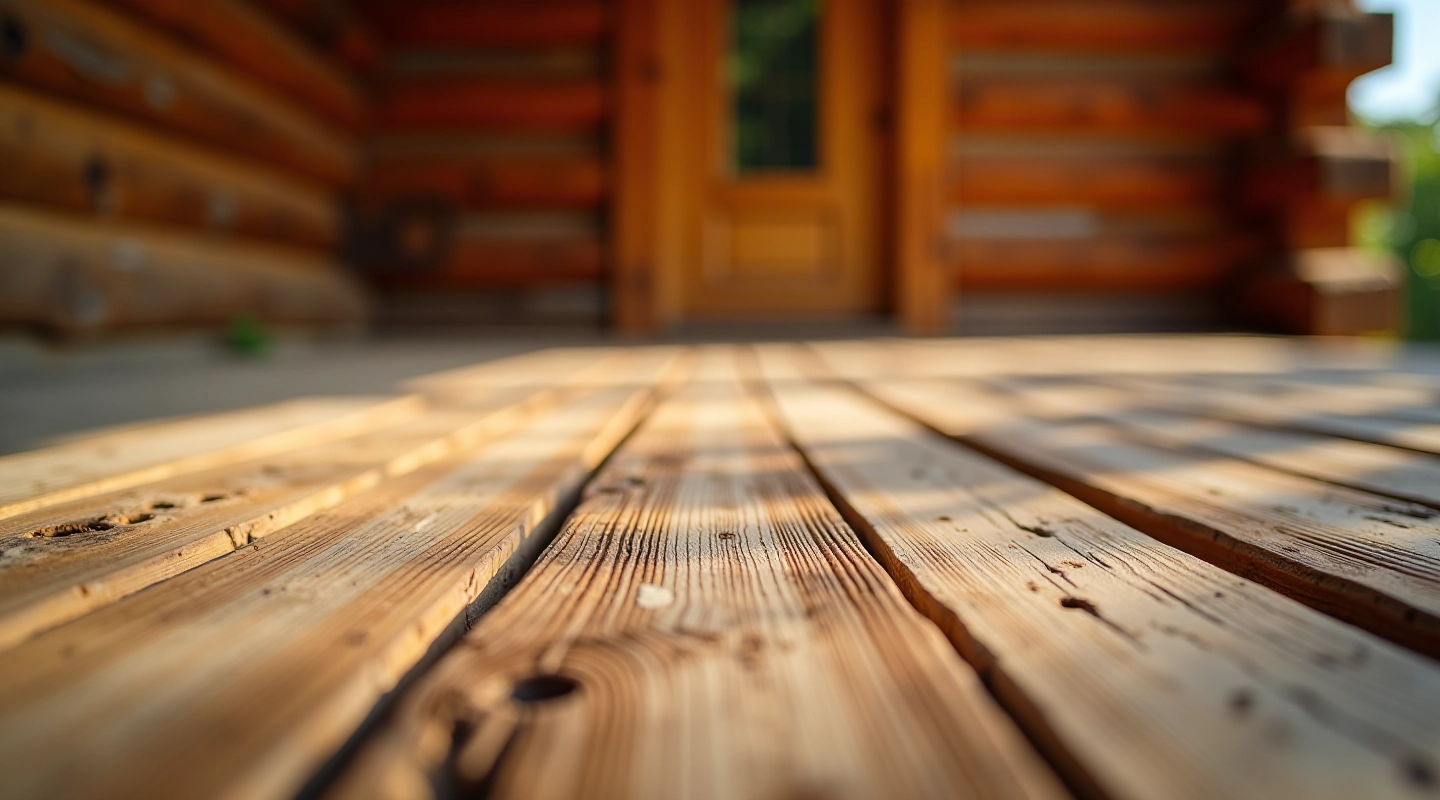
Wood isn't static. It's alive in a way — constantly responding to what the weather throws at it. That silvery-gray patina you're seeing on your porch? It's not damage. It's weathering, and it tells a story about how your wood has survived sun, rain, and temperature swings.
Here's the thing: if you understand what's happening to your wood, you can make better decisions about maintenance. You'll know when to just clean and when you actually need to refinish. You'll spot real problems before they become expensive repairs.
We're going to walk through how wood grain actually works, what those color changes mean, and why some porches age gracefully while others deteriorate fast. By the end, you'll be able to read your porch like a book.
The Anatomy of Wood Grain
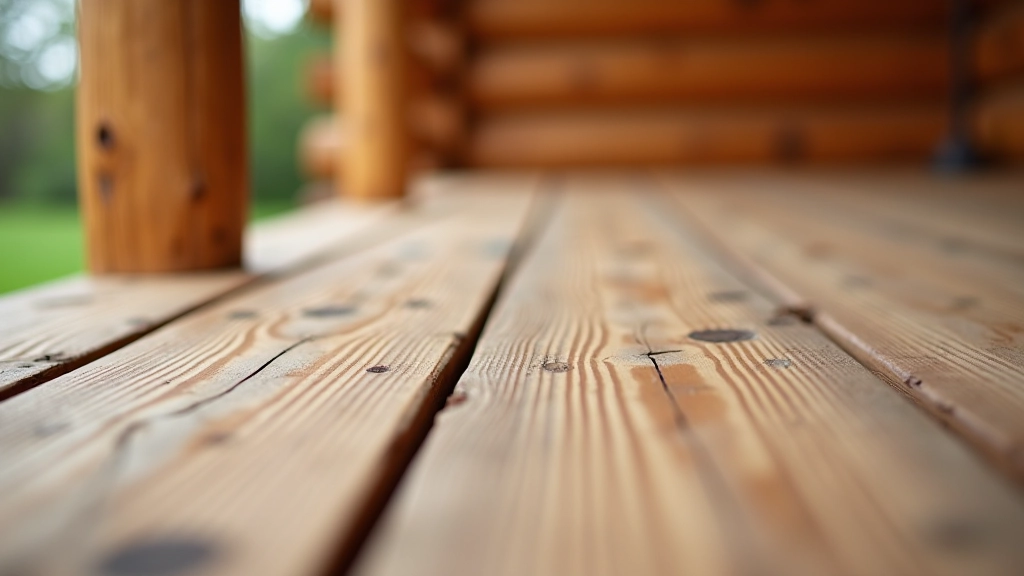
Wood grain isn't random. It's the result of how the tree grew — each ring represents a year, and the width of those rings tells you about growing conditions. Wide rings mean good years. Tight rings mean stress or drought.
When you look at a porch board, you're seeing the end result of decades or centuries of growth. The grain direction matters too. Wood shrinks and swells across the grain more than along it. This is why boards cup and warp — the wood's responding to moisture changes by moving perpendicular to the grain direction.
Different wood species have different grain structures. Pressure-treated lumber used on most porches has relatively consistent grain. But the variation is still there. Understanding this helps you predict how your wood will weather and what maintenance strategy will work best.
What Gray Weathering Actually Means
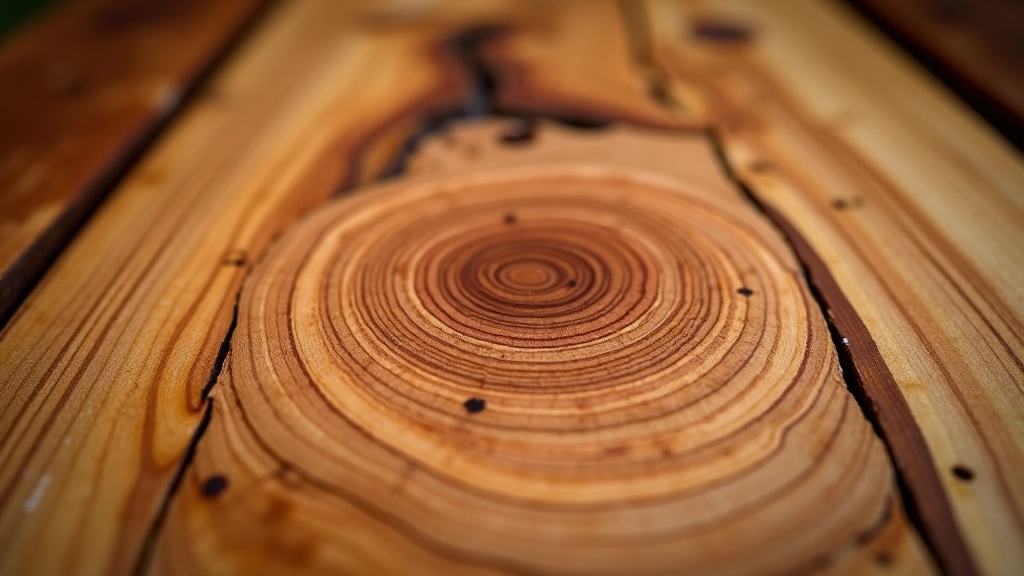
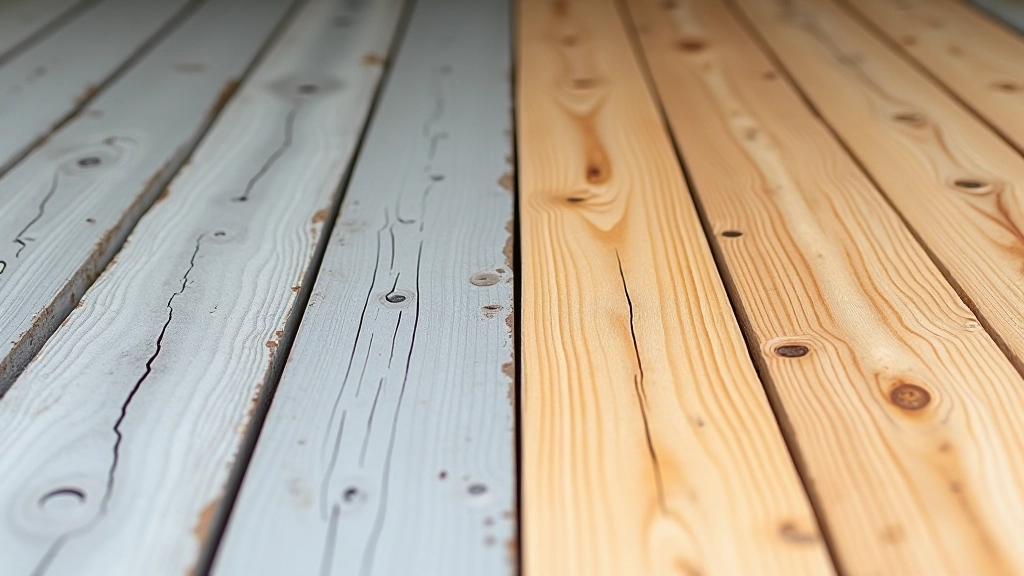
That silver-gray color on exposed wood is caused by lignin breakdown and UV damage. Lignin is the glue that holds wood cells together. When UV light hits unprotected wood, it breaks down that lignin in the surface layer — typically the top 1-2mm.
Below that gray layer, the wood is still healthy. The color change is purely cosmetic. But here's where it matters: once that protective layer is compromised, moisture penetrates faster. So while gray wood isn't rotting, it's more vulnerable to actual damage if you don't address it.
The timeline varies. In a high-sun environment, you'll see significant graying within 6-12 months. In shadier spots, it takes longer. If your porch gets direct afternoon sun and you're not sealing it, expect gray patches within the first year. That's normal. It's also the signal that you need a sealing or staining plan.
Continue Your Learning
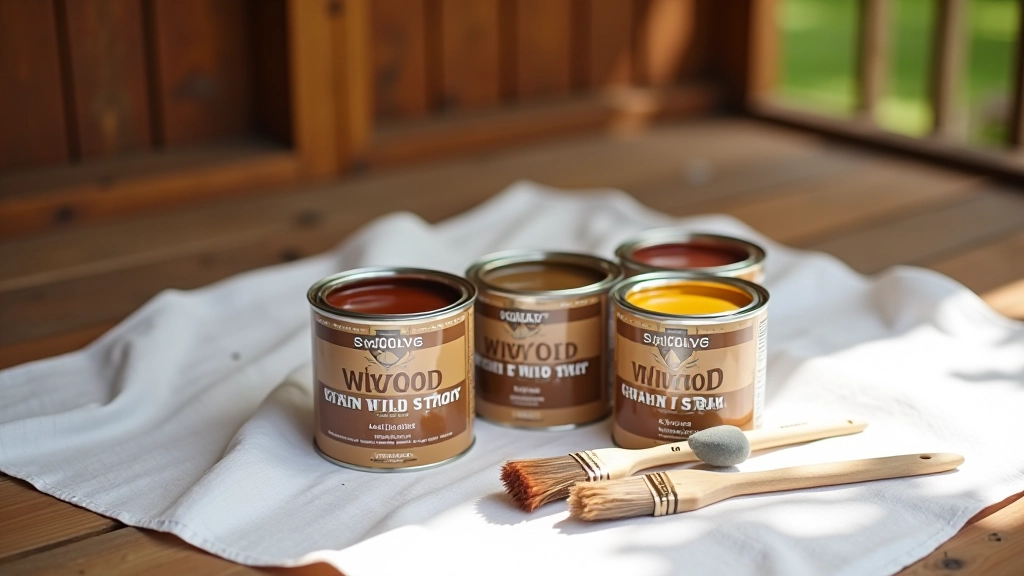
Choosing the Right Stain for Porch Wood
Not all stains are the same. This covers water-based vs oil-based, color matching, and durability.
Read Article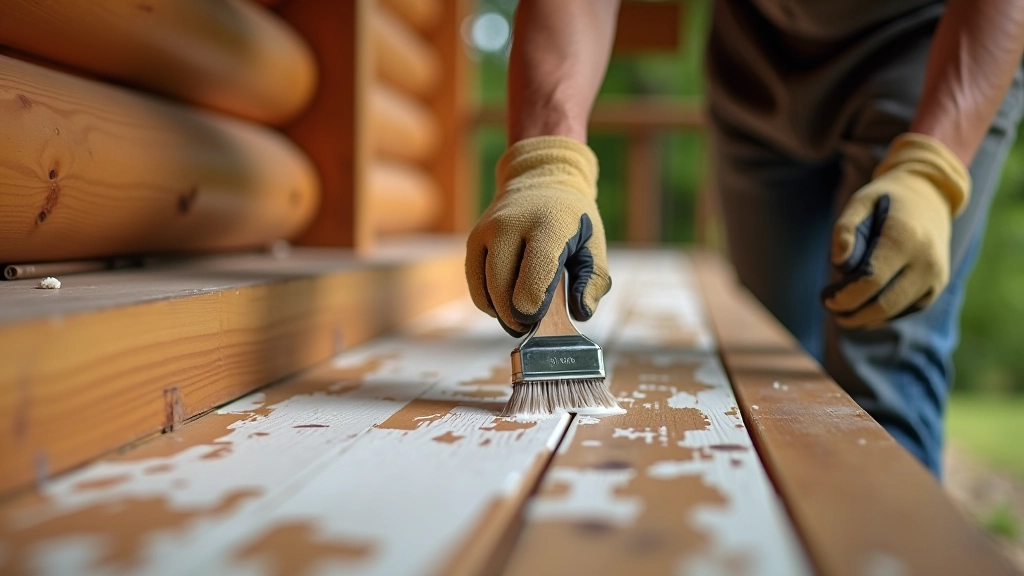
Weather Sealing Your Porch: Step-by-Step
The difference between sealed and unsealed wood is massive. Here's exactly how to protect your boards.
Read Article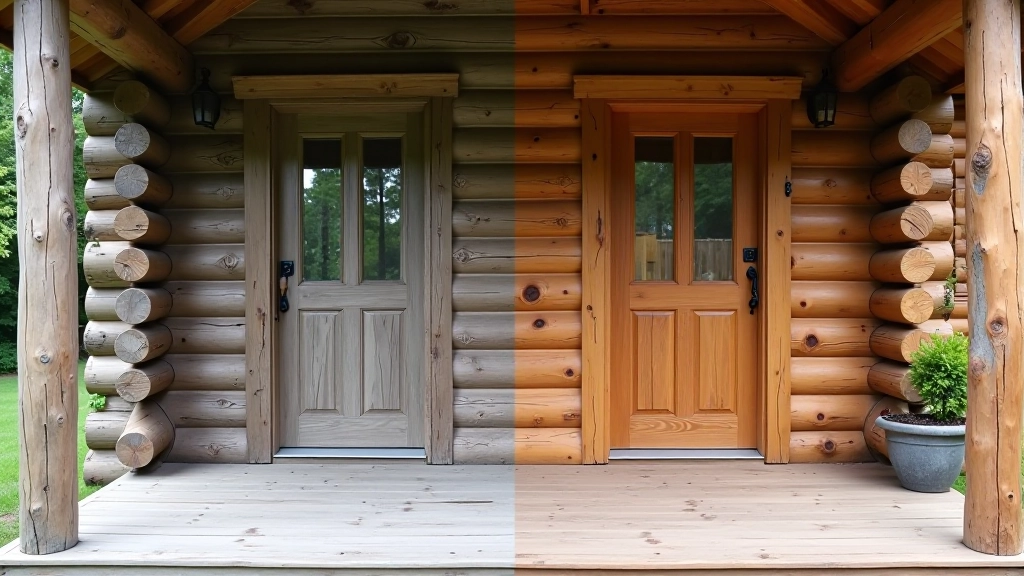
Common Porch Repairs: Rotting Boards, Loose Railings, and Cracked Steps
Most cabin porches need more than just staining. We'll walk through identifying and fixing real problems.
Read ArticleSeasonal Changes and Wood Movement
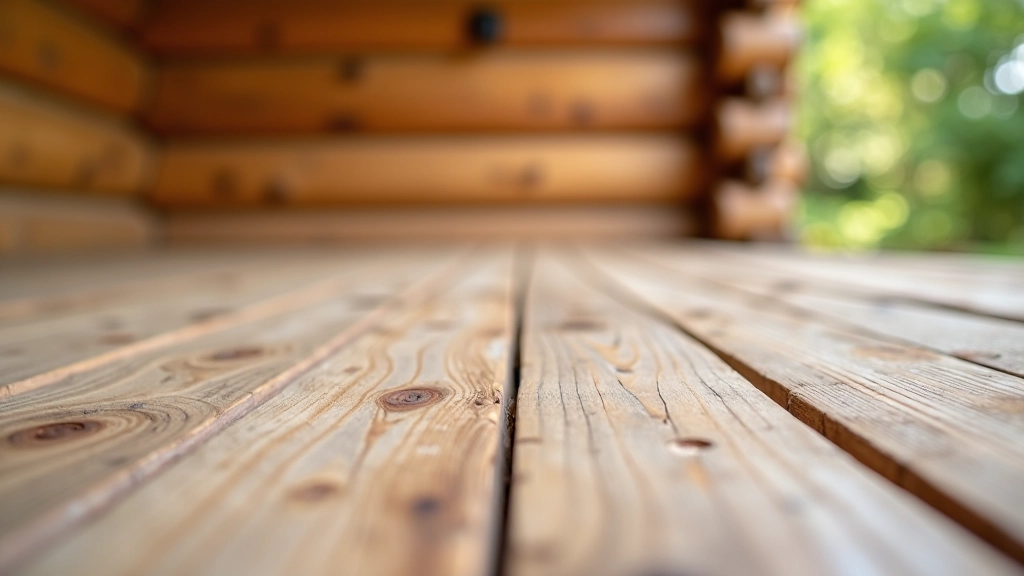
Your porch is constantly moving. Not in a visible way, but at the cellular level. Summer heat expands the wood. Winter cold shrinks it. Rain swells it. Dry spells shrink it again. This movement is normal — it's why wood is alive.
But this cycling creates stress. If boards are tightly fitted during installation, summer expansion can cause them to bow or cup. If there's too much gap between boards, winter contraction creates wider spaces. You might notice your porch boards looking slightly different from season to season. That's the wood responding to humidity and temperature.
This is actually why regular sealing and staining matters. By maintaining that protective barrier, you minimize how much the wood swells and shrinks. A well-sealed board moves maybe 1-2% in dimension. Unsealed wood can move 5-8%. That difference is the difference between a porch that stays stable and one that develops gaps and movement issues.
Important Information
This guide is provided for educational purposes to help you understand wood weathering and porch maintenance. The information is based on general woodworking principles. Every porch is different — climate, wood species, current condition, and exposure all affect how your specific porch will weather. For structural concerns, significant damage, or major repairs, consult a qualified contractor or structural engineer in your area. Always follow manufacturer instructions for any products you use.
Reading Your Porch's Story
Your porch tells a story through its grain and weathering patterns. Gray isn't damage — it's a sign that UV protection is fading. Gaps aren't structural failure — they're wood responding to seasonal changes. Discoloration isn't the end — it's the signal that maintenance is needed.
The key is understanding what you're looking at so you can make informed decisions. You don't need to panic at the first sign of graying. You do need to recognize it as a call to action. Seal or stain your porch before the damage goes deeper. Inspect your boards seasonally. Notice the patterns. Your porch will age better for it.
Ready to protect your investment? Start with understanding what your porch needs right now. Then move to the next steps — whether that's stain selection or weather sealing. Your wooden porch is worth the attention.