
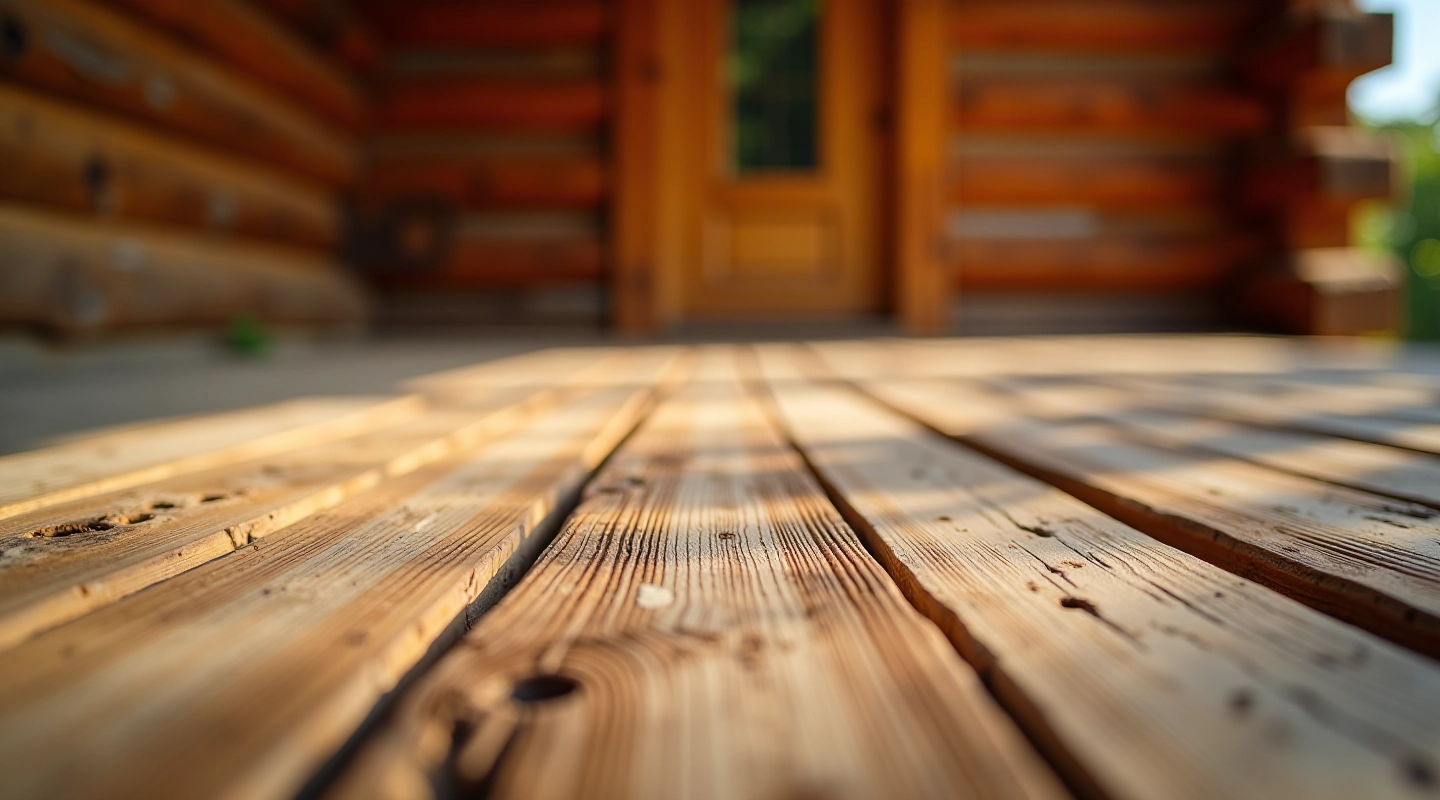
Understanding Wood Grain and Weathering Patterns
Learn how weather affects your cabin's wooden porch over seasons. We'll cover what happens to wood fiber, why grain direction matters, and seasonal changes you should expect.
Read moreMost cabin porches need more than just staining. We'll walk through identifying structural damage, when to DIY and when to call help, and what supplies you'll actually need for repairs.
By
Editorial Team
Written by the renddell Editorial Team, focused on clear, practical guidance for log cabin porch care and renovation.
Your porch takes a beating. Wind, rain, snow, temperature swings — they're all working against wood fiber by fiber. You might think it's just cosmetic damage at first. But that soft spot under your foot? That gap in the railing? Those cracks spreading across the step? They're telling you something's wrong underneath.
We're not talking about professional-grade restoration here. This is about catching problems before they get expensive, understanding what you can handle yourself, and knowing when to bring in someone with more experience. Most cabin owners can handle at least one or two of these repairs — it's not rocket science.
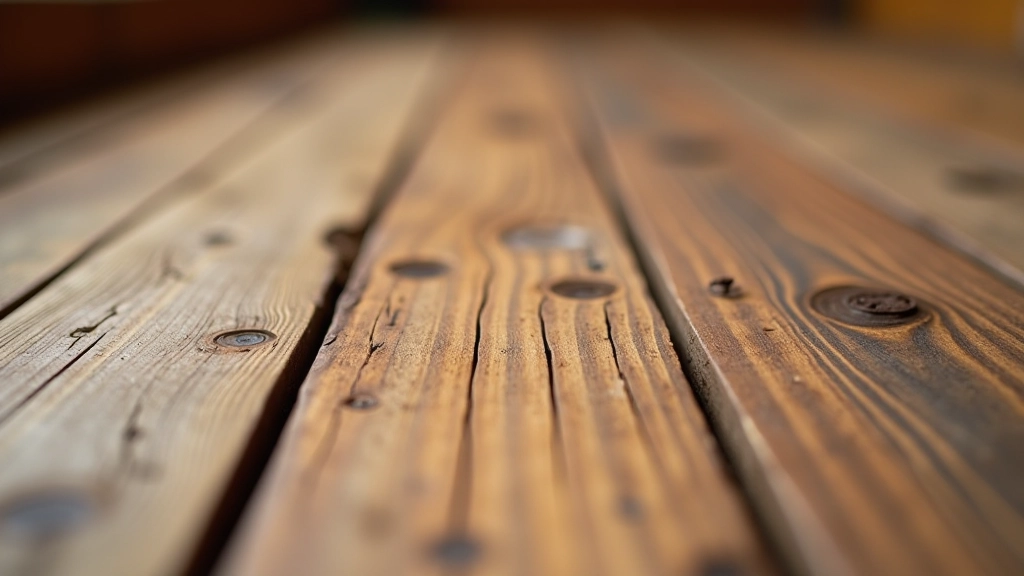
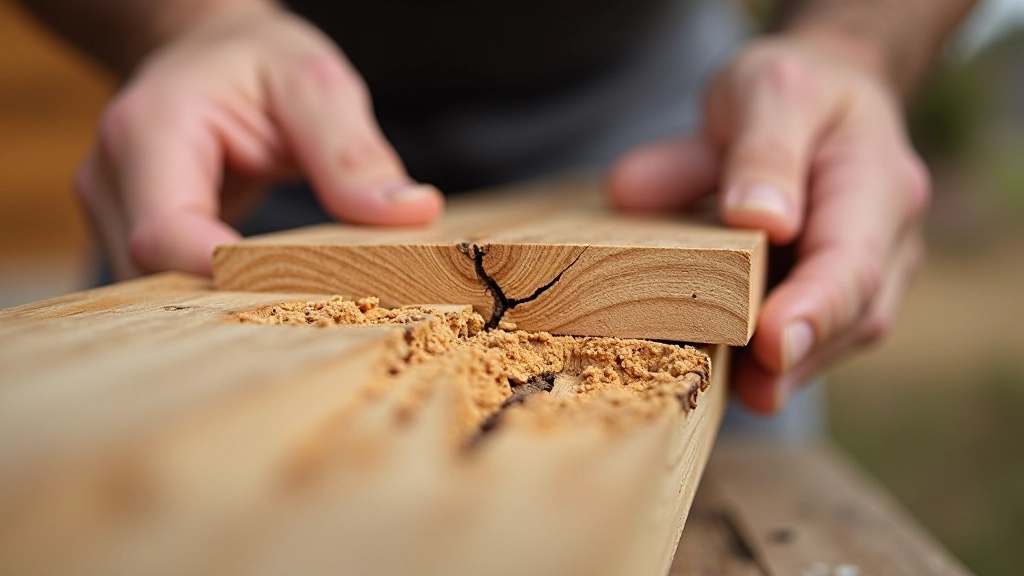
Rot starts quietly. You won't notice it at first — maybe just a slight softness when you press your thumb against the wood. But left alone, it spreads fast. The fungus that causes rot needs moisture and warmth, and your porch gets plenty of both.
Soft, spongy wood is the obvious sign. Push a screwdriver or awl into the board — it should resist. If it sinks in like you're pushing into damp cardboard, you've got rot. You might also see discoloration (dark patches or bleached areas), paint peeling off in chunks, or a musty smell. The wood might look darker than surrounding boards too.
Here's what you'll actually do: First, cut out the rotted section. You want to remove all the damaged wood — going a few inches beyond the soft spot to make sure you get it all. Then you've got two choices. For small areas (less than 25% of the board), you can use epoxy filler. Mix it, press it in, smooth it level, and sand it once it hardens. For larger damaged sections, replacement is cleaner. Measure carefully, cut a new piece from pressure-treated lumber that matches the original thickness, and secure it with stainless steel screws (not nails — they'll just pop back out).
The whole job takes a couple hours if you're working on one or two boards. It's not hard — just methodical.
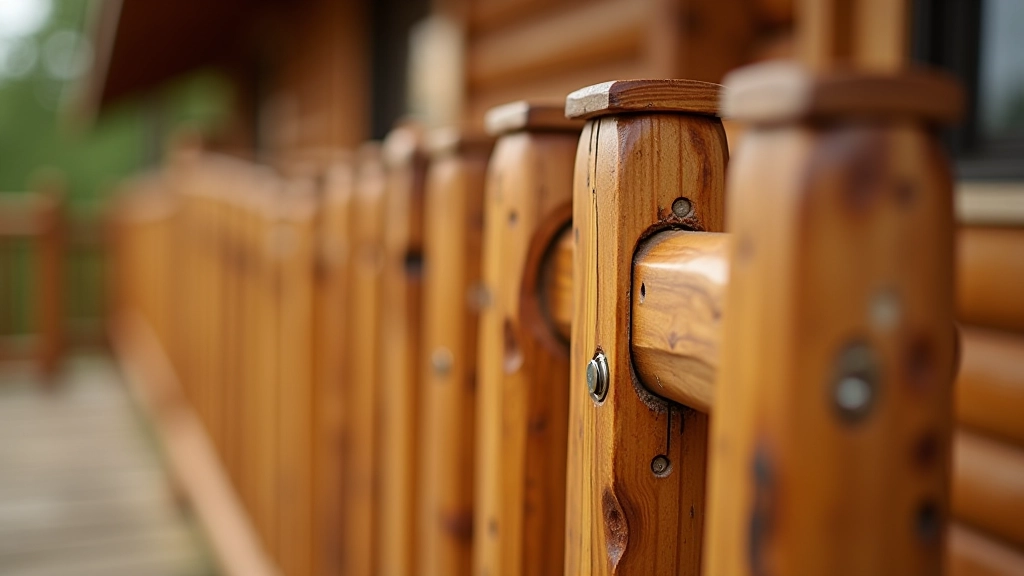
A loose railing isn't just annoying — it's a safety issue. When someone leans on it, it should hold solid. That movement you feel? It's usually happening at the connection points where the railing attaches to the posts.
Check three places. First, where the vertical balusters (the small spindles) meet the horizontal rails — those bolts or screws loosen over time from vibration and weather cycles. Second, where the entire railing assembly connects to the main posts. Third, where the posts themselves sit on the porch deck. Most of the time it's just the bolts that need tightening.
Grab a wrench or socket that fits your bolts and tighten everything. Start with the balusters, then move up to the main connections. Don't over-tighten though — you'll crack the wood. Hand-tight plus a quarter turn is usually perfect. If bolts keep loosening, add a lock washer underneath. If a bolt won't tighten because the hole is stripped out, you'll need to drill it out to the next size up and use a larger bolt. This takes maybe 30 minutes for a full railing section.
Explore more cabin porch maintenance guides
Learn how weather affects your cabin's wooden porch over seasons. We'll cover what happens to wood fiber, why grain direction matters, and seasonal changes you should expect.
Read more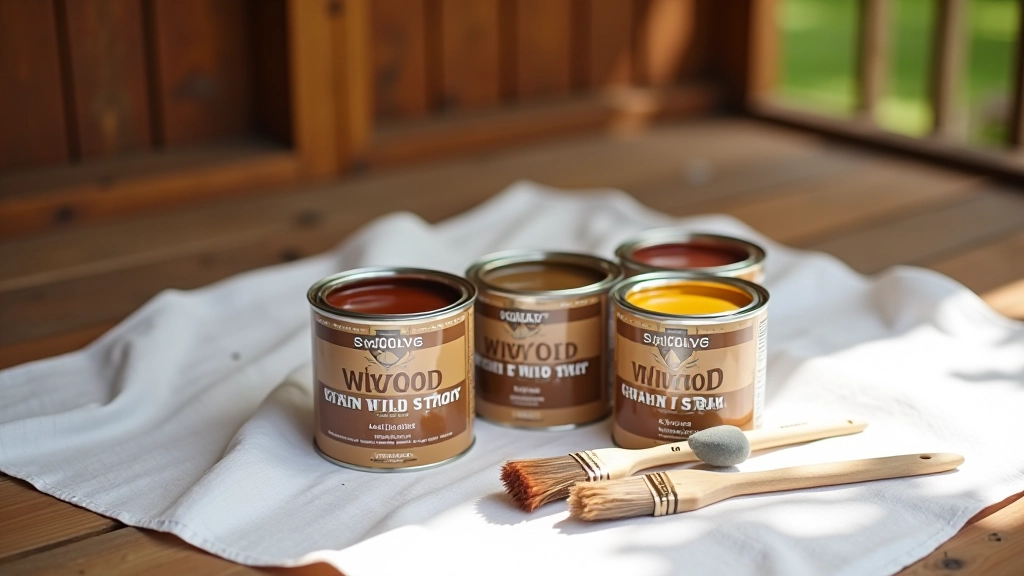
Not all stains are the same. This covers water-based vs oil-based, color matching your cabin's aesthetic, durability ratings, and application techniques that actually work.
Read more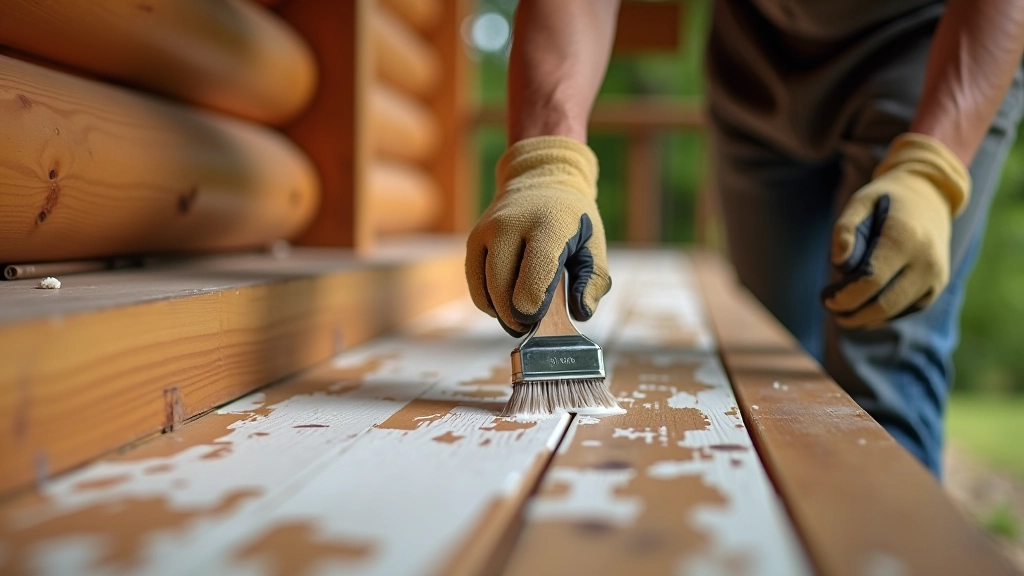
The difference between sealed and unsealed wood is massive. Here's exactly how to prepare, apply, and maintain a protective seal that actually lasts through the seasons.
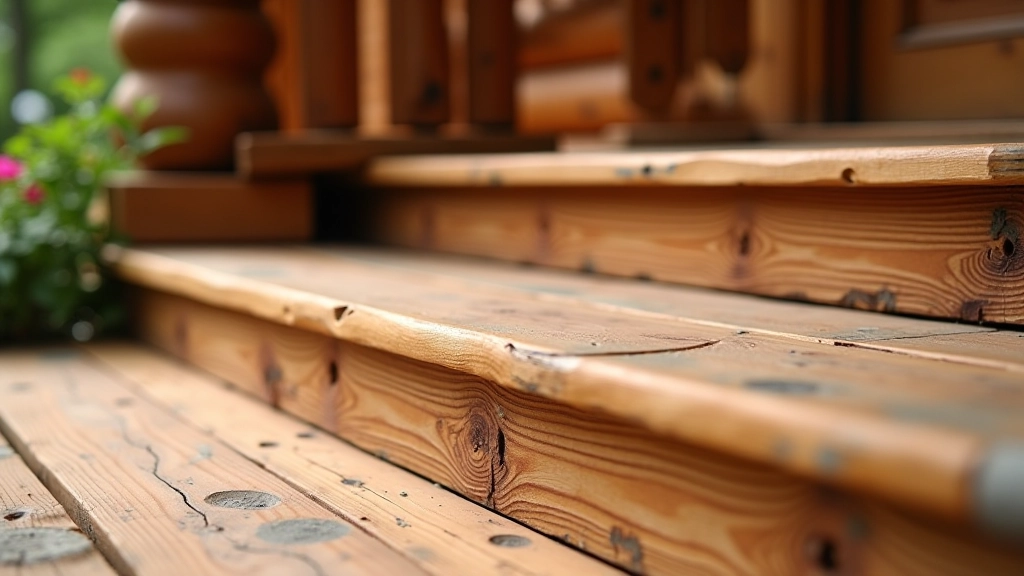
Read moreSteps move. They settle, shift, and crack because the ground underneath them shifts too. Freeze-thaw cycles push and pull. The weight of people walking on them every day stresses the wood. Some cracking is normal, but deep splits or sagging steps need attention.
There's a big difference. A hairline crack running along the wood grain? That's normal and cosmetic — just sand it smooth and seal it. A deep crack (more than a quarter-inch wide) that's growing, or cracks running across the grain? Those are structural concerns. A sagging step that's noticeably lower in the middle is also a sign you need to look underneath at the support structure.
For shallow cracks, use wood filler. For cracks wider than a quarter-inch, you can try epoxy wood filler (it's stronger than regular filler), but honestly, if a step is sagging or has major cracks, the real problem is usually the support posts underneath. That's when you call someone who knows how to deal with foundations and support structures. This isn't a project to cut corners on — steps are safety equipment.
For minor cosmetic cracks on an otherwise solid step, you're looking at 15-20 minutes of work. For anything more serious, you'll want professional eyes on it first.
This guide is for educational purposes and provides general information about porch repairs. Structural issues, particularly those affecting safety (like loose railings, sagging steps, or significant rot), should be evaluated by a qualified professional before attempting repairs. Building codes, local regulations, and the specific condition of your structure may require professional assessment. Always prioritize safety, and when in doubt, consult with a licensed contractor or structural engineer.
The good news? Most porch repairs aren't complicated. Rotting boards can be replaced or filled. Loose railings get tightened. Cracks get sealed. The real key is catching problems early before they spread.
Here's what we'd suggest: Walk around your porch with a screwdriver or awl. Press on the boards. Shake the railing. Look for soft spots, gaps, cracks, and movement. Make a list. Some things you can handle this weekend. Some things deserve a professional's attention. Both decisions are fine — what matters is not ignoring the problems and hoping they go away.
Your porch is part of your cabin's character. It's also part of keeping everyone safe. A little maintenance now saves big headaches later.