
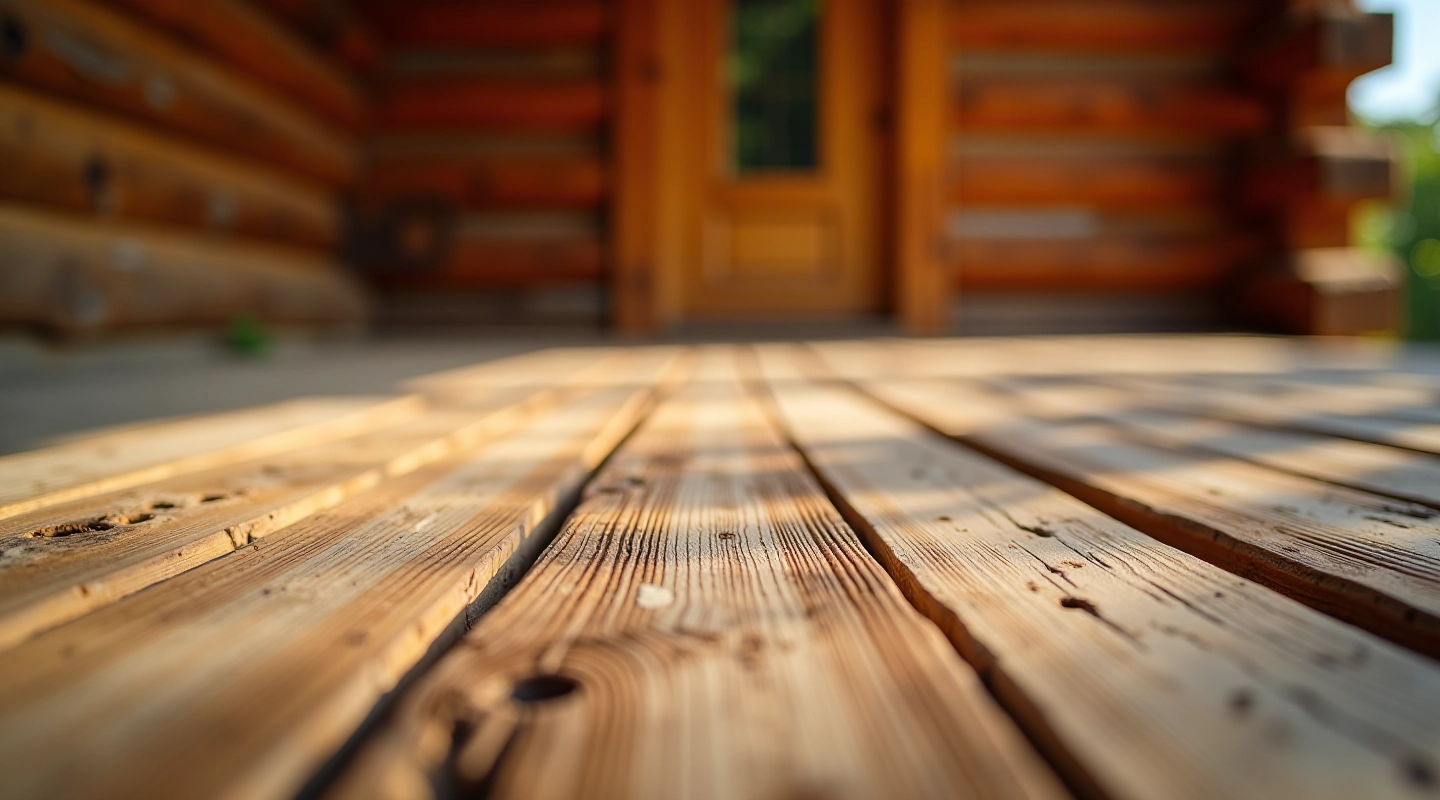
Understanding Wood Grain and Weathering Patterns
Learn how weather affects your cabin's wooden porch over seasons. We'll cover why grain direction matters and how seasonal changes impact your stain choice.
Not all stains are created equal. We'll walk you through water-based versus oil-based options, color matching for your cabin's character, and what actually holds up through Sigulda's harsh winters.

Author
Written by the renddell Editorial Team, focused on clear, practical guidance for log cabin porch care and renovation.
Your porch isn't just exposed to sun and rain — it's taking a beating. Temperature swings from below freezing to warm spring afternoons cause wood to expand and contract constantly. That's where stain comes in. A good stain protects the grain, resists moisture penetration, and keeps your wood looking sharp year after year. The wrong choice? You'll be refinishing every two seasons.
We're going to break down the real differences between stain types, help you pick colors that actually complement your cabin, and show you what to expect when you're applying it. This isn't complicated stuff — but it does matter.
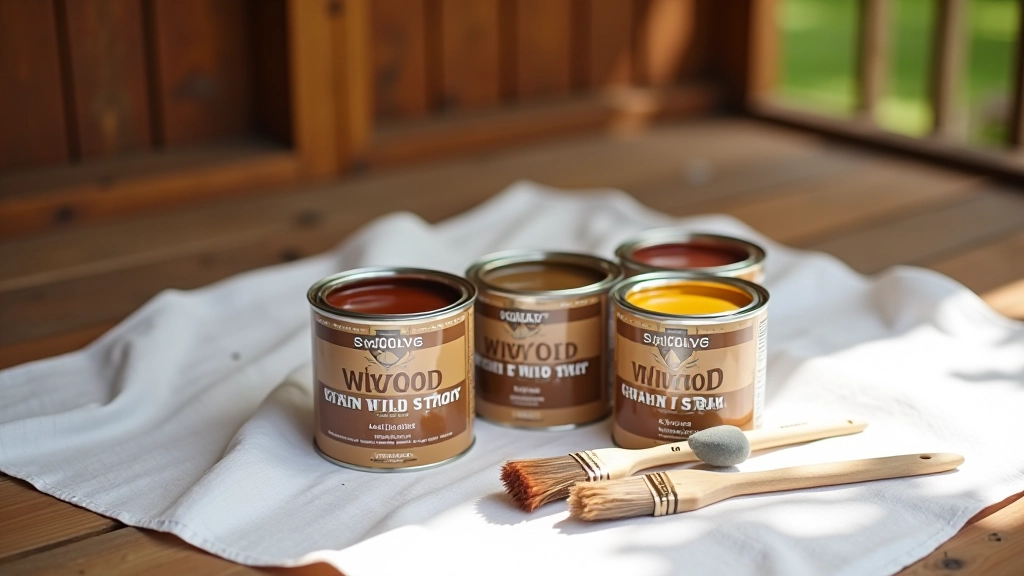
Water-based stains dry fast — usually in 4-6 hours. You can apply a second coat the same day if you're moving quickly. They're low odor, which is nice if you're staining while the cabin's occupied. The downside? They don't penetrate quite as deeply into the wood grain as oil-based options do. You'll get a more surface-level finish.
Oil-based stains soak into the wood properly. They give richer color saturation and better UV protection. But here's the catch — they take 8-24 hours to dry, depending on humidity and temperature. In Sigulda, where you're dealing with moisture in the air most of the year, that drying time stretches. Oil-based also has stronger fumes, so you'll need ventilation and probably a respirator mask if you're sensitive.
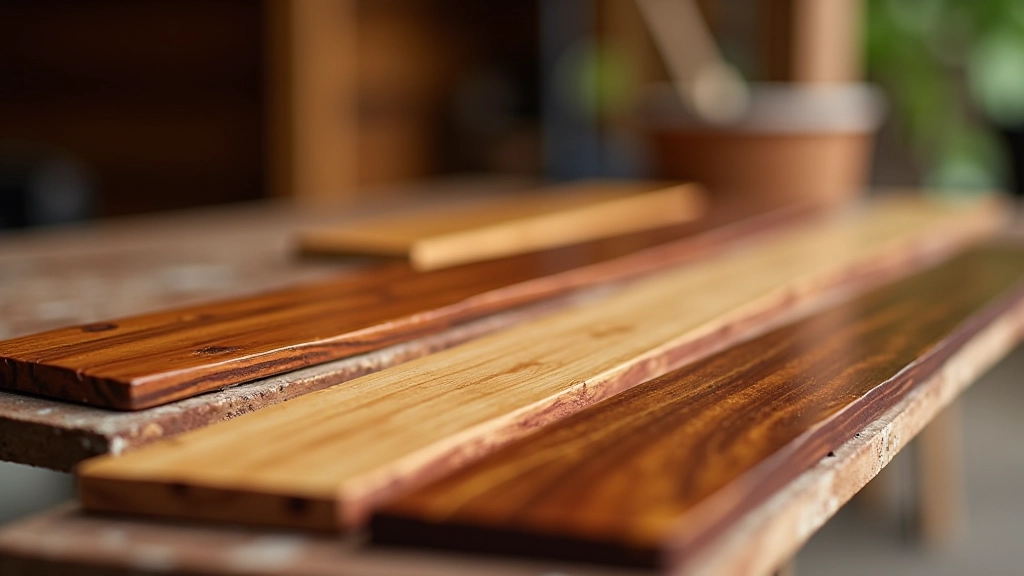

Don't pick a stain color from the can. Seriously. The color in that tiny brush sample on the label won't match what you'll get on your porch. Wood grain varies. Lighting conditions change throughout the day. You need to test on your actual porch boards.
Get sample pints of 3-4 colors you're considering. Paint 12-inch sections on hidden areas of your porch — under the stairs, the back corner nobody sees first. Let them dry completely (this matters — colors shift as they cure). Then check them at different times of day. Morning light, afternoon sun, evening shadows. The color that looks perfect at 2 PM might feel too dark at sunset.
Pro tip: Darker stains (like walnut or espresso) hide dirt and weathering better. Medium browns show less maintenance between refreshes. Light stains look beautiful but require more frequent touch-ups in high-traffic areas.
Learn how weather affects your cabin's wooden porch over seasons. We'll cover why grain direction matters and how seasonal changes impact your stain choice.
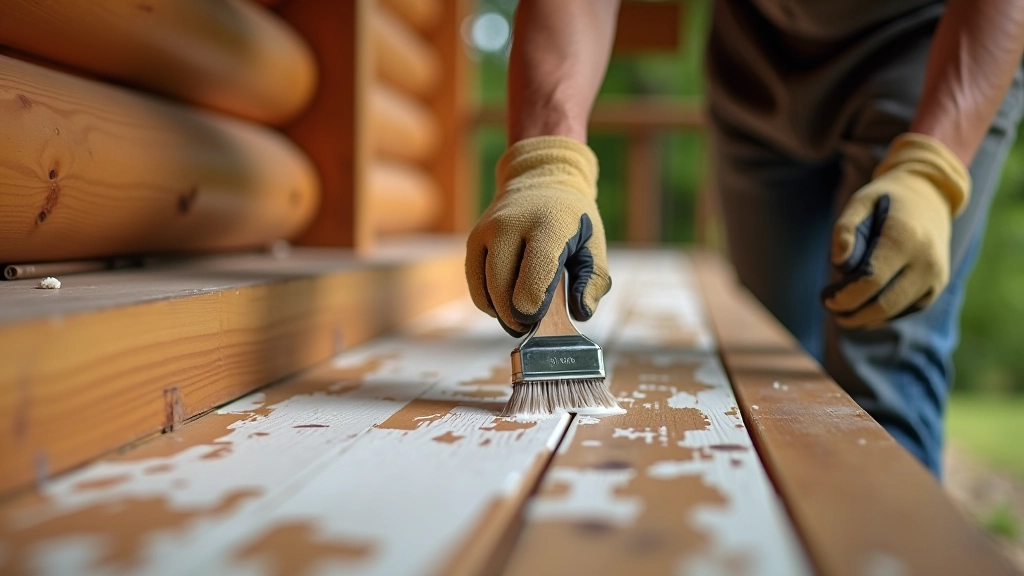
The difference between sealed and unsealed wood is massive. Here's exactly how to apply weather sealant after staining for maximum protection.
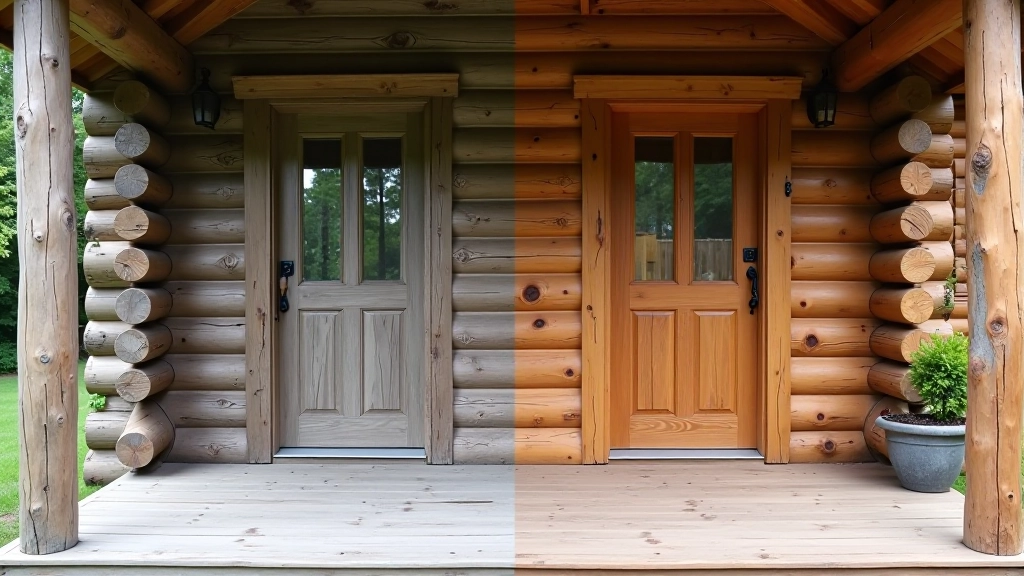
Most cabin porches need more than just staining. We'll walk through identifying structural issues before you start any finishing work.
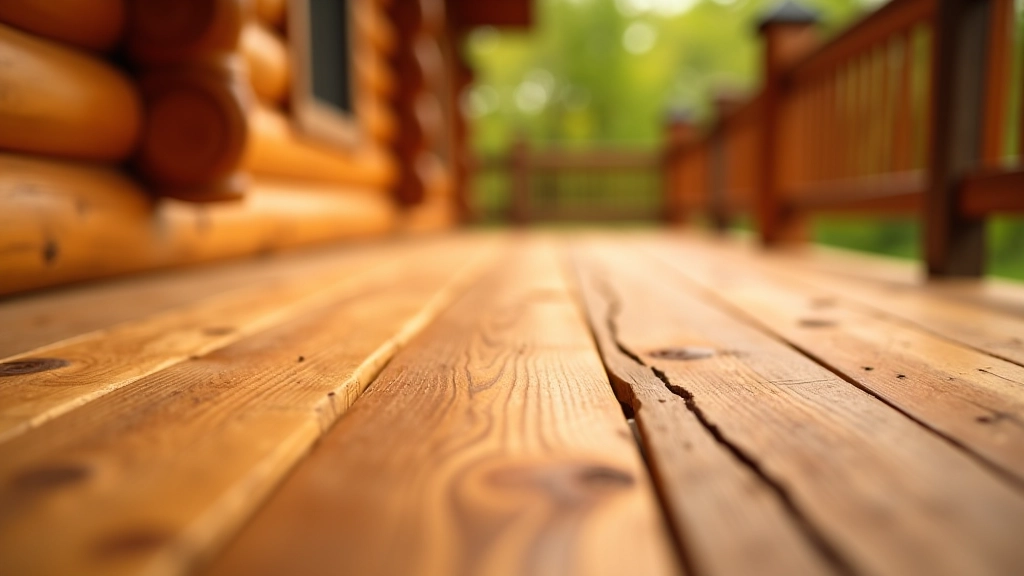
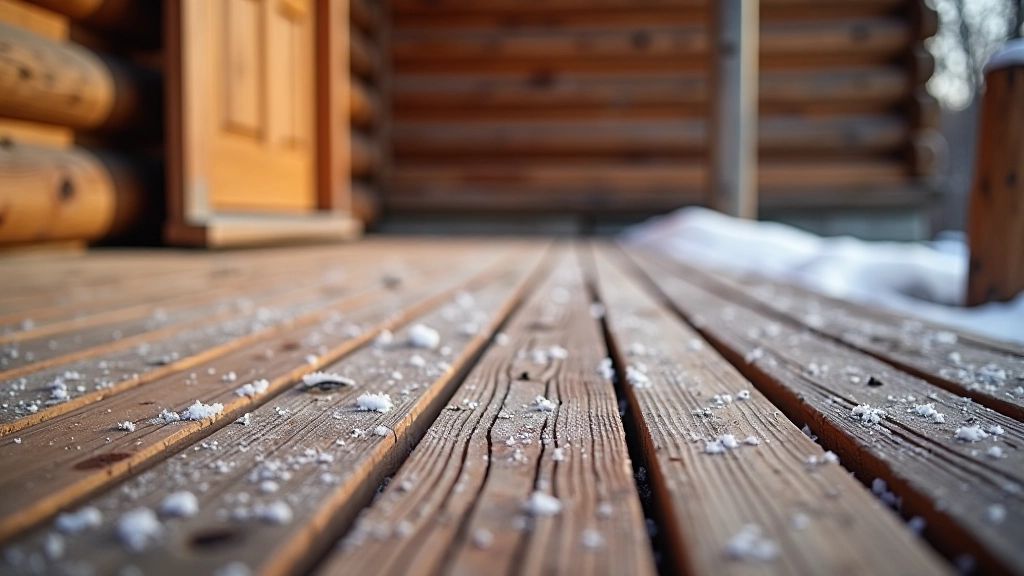
Sigulda's winters are brutal on wood finishes. You're dealing with freeze-thaw cycles that make wood expand and contract violently. A stain that works fine in a milder climate will crack and peel here. You need something that flexes with the wood instead of fighting it.
Look for stains specifically rated for cold climates. They contain additives that prevent brittleness in freezing temperatures. Semi-transparent stains last longer than solid stains in harsh weather — they allow the wood to move without the finish cracking. You'll want to plan on refreshing your porch every 2-3 years instead of every 5-7 years like you'd do in a warmer region.
Years between refreshes in cold climates
Stain type that performs best long-term
This guide provides educational information about wood staining techniques and materials. Product performance varies based on wood type, climate conditions, and application methods. Always follow manufacturer instructions on the product you select. Climate conditions in your specific location may differ from those in Sigulda. Consider testing products on inconspicuous areas before full application. Results depend on proper surface preparation, weather conditions during application, and ongoing maintenance.
The best stain for your porch isn't about the prettiest color in the showroom. It's about what'll actually protect your wood through freeze-thaw cycles, UV damage, and constant moisture exposure. You'll want something that flexes with seasonal changes and handles cold without cracking.
Get sample pints and test them on your actual porch in different lighting.
Choose oil-based for deeper color or water-based for convenience, depending on your climate rating needs.
Look for cold-climate formulations that won't become brittle in winter.
Plan for refreshing every 2-3 years to keep your porch looking sharp.
You're not just staining wood — you're protecting an investment. Taking time to choose the right product and test it properly means fewer refinishing projects down the road. That's worth the extra hour or two now.
Back to Porch Renovation Guides