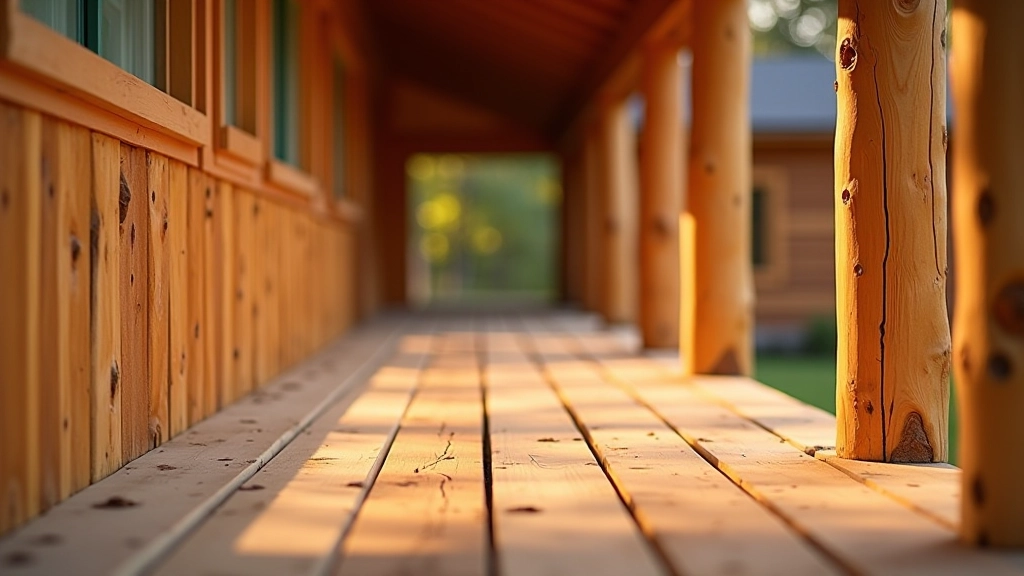
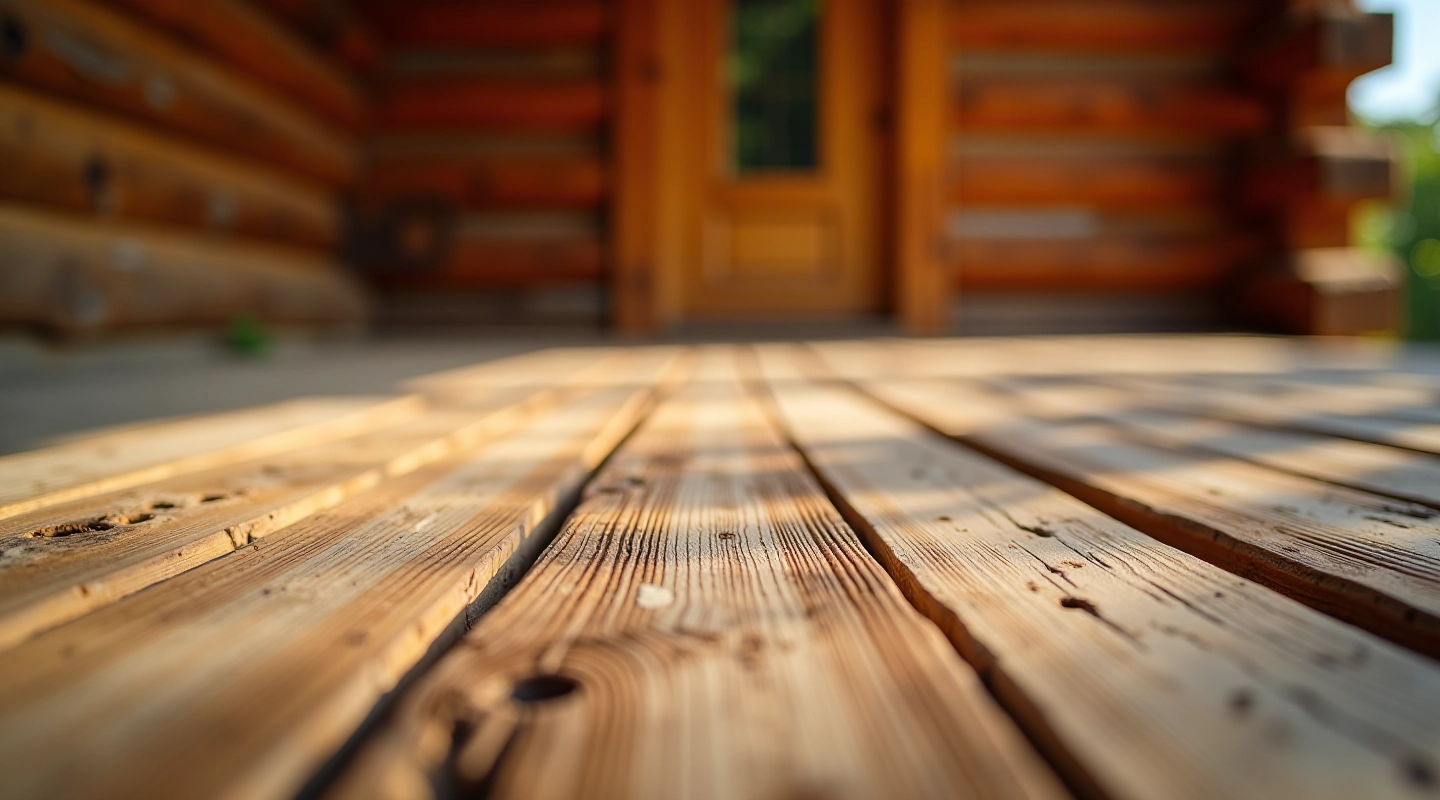
Understanding Wood Grain and Weathering Patterns
Learn how weather affects your cabin's wooden porch over seasons. We'll cover what causes graying, checking, and how to recognize when wood needs attention.
Read GuideThe difference between sealed and unsealed wood is massive. Here's exactly how to apply weather sealant without mess or drips.

Author
Written by the renddell Editorial Team, focused on clear, practical guidance for log cabin porch care and renovation.
Unsealed wood absorbs water like a sponge. Rain, snow, humidity—it all soaks in. Within a few years you're looking at cupping, splitting, and rot. We're talking thousands in repair costs. Weather sealant creates a protective barrier that lets wood breathe while keeping moisture out.
You'll notice the difference immediately. Sealed wood stays cleaner, lasts longer, and honestly looks better. The color stays richer. We've seen porches that were sealed in 2019 look nearly new while unsealed neighbors are gray and weathered. The investment pays for itself.
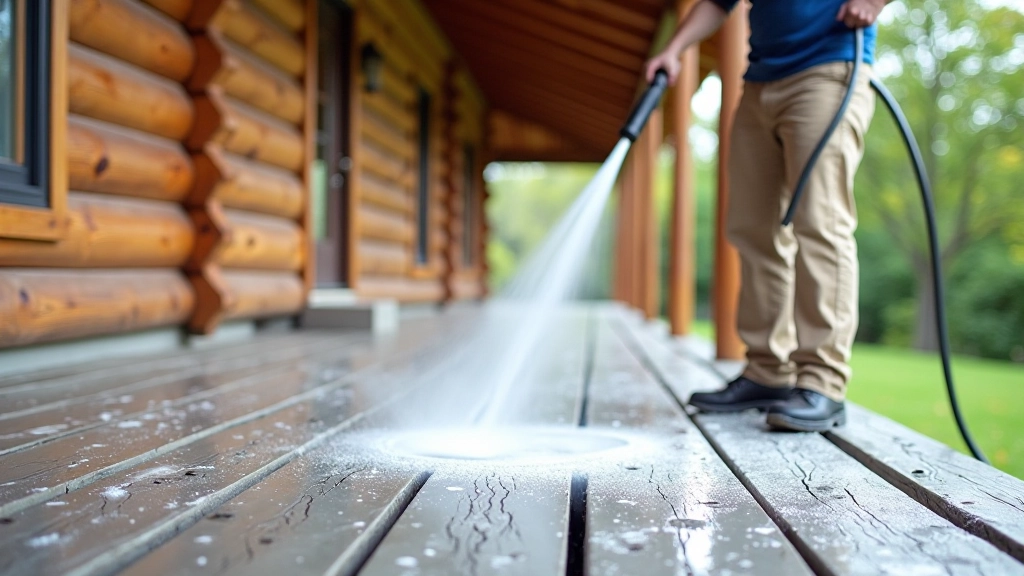
This is where most people rush, and it shows. You can't seal dirty wood. Dust, mold, and old finish prevent the sealant from bonding properly. Start by cleaning everything. A pressure washer works, but don't go crazy—high pressure damages wood grain. Set it to about 1500 PSI and keep the nozzle moving. You're cleaning, not stripping.
After washing, wait 48 hours for the wood to dry completely. Don't skip this. Wet wood won't accept sealant. If you see any mold or mildew (greenish stains), scrub those areas with a stiff brush and a mix of one part bleach to three parts water. Rinse thoroughly. Once everything's dry, sand the surface lightly with 120-grit sandpaper. You're not refinishing—just roughing up the surface so the sealant grabs hold.
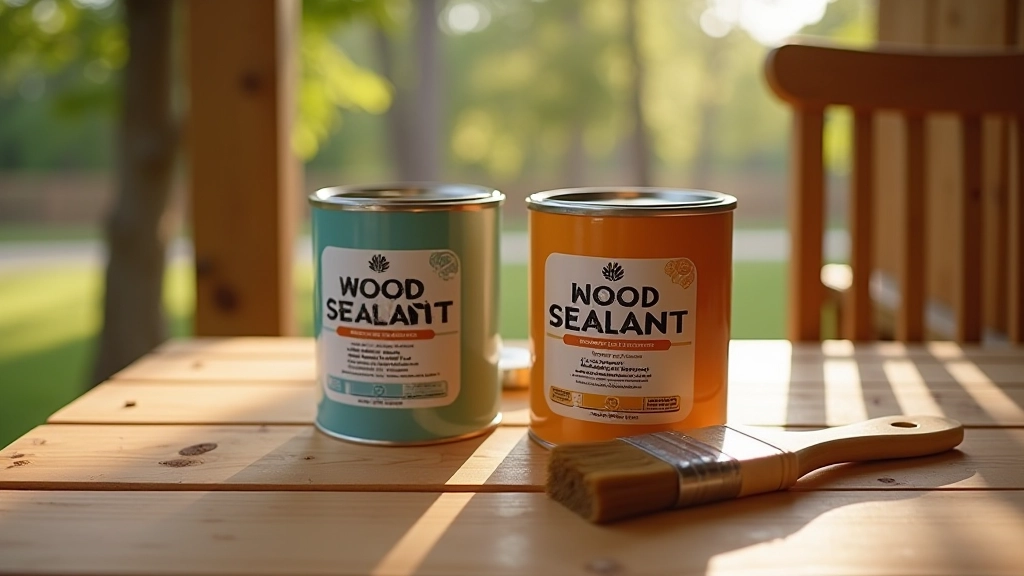
There's water-based and oil-based. Each has tradeoffs. Water-based sealants dry fast (2-4 hours), are low-odor, and easier to clean up. You'll need 2-3 coats for real protection. Oil-based sealants take longer to dry (8-12 hours between coats) and smell strong, but one coat often covers better. They're more forgiving if your technique isn't perfect.
For cabin porches in climates like Sigulda's, we recommend oil-based if you can handle the smell and drying time. It penetrates deeper into the wood grain. But honestly, quality water-based products work great if you apply enough coats. The main thing is picking something rated for exterior horizontal surfaces. Not all sealants are created equal.
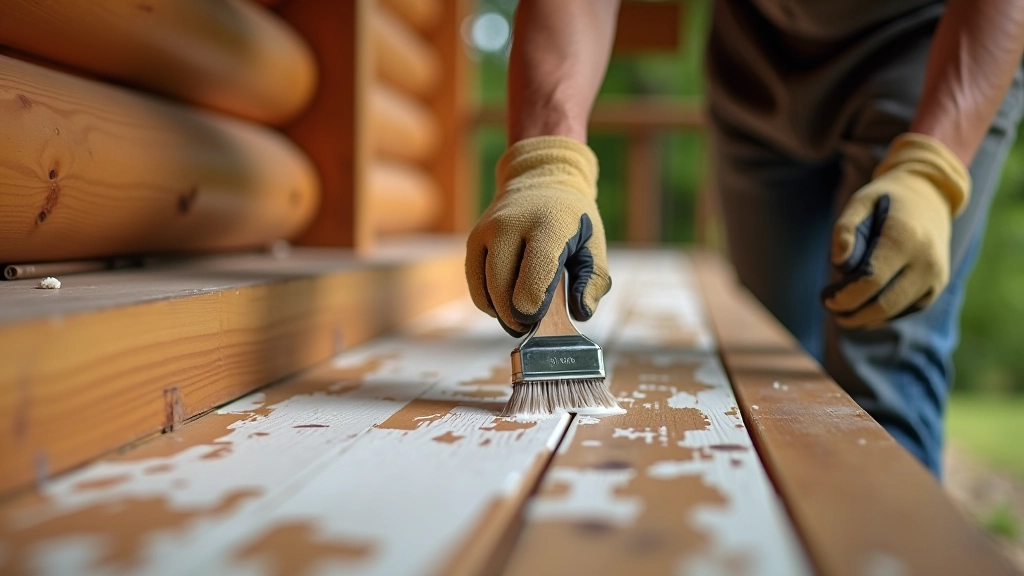
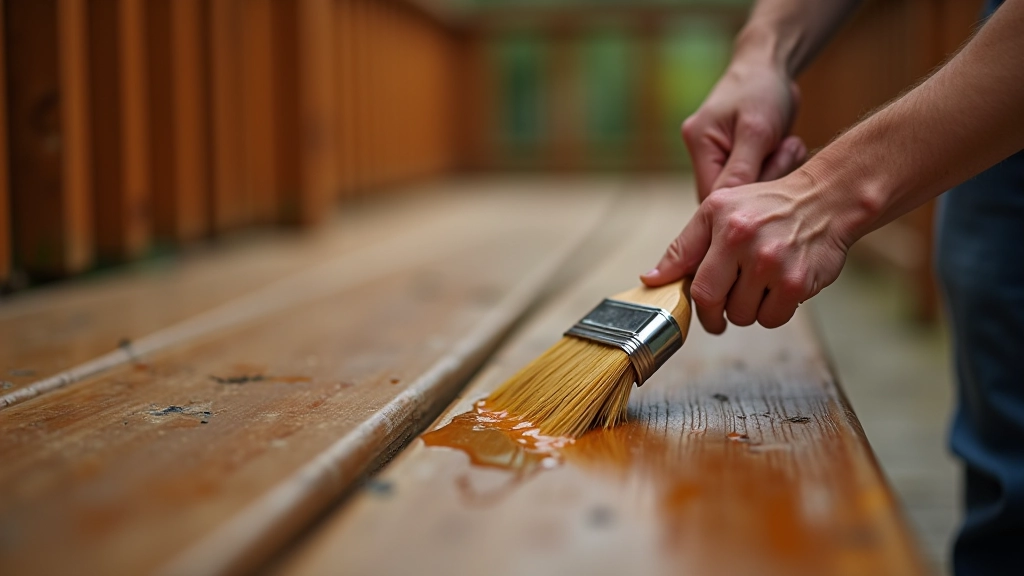
Here's where the magic happens. Use a high-quality natural bristle brush—not cheap foam. Apply thin, even coats with the wood grain. Work in sections about 3 feet wide. Don't load up the brush with sealant. You're looking for a thin, even coat, not a glossy layer. Thick applications drip, pool, and create an uneven finish.
Start in one corner and work toward the exit so you're not stepping on wet sealant. Overlap your strokes slightly. Watch for drips on the sides and edges—catch them with your brush before they dry. If you're doing multiple coats, let the first one cure fully before starting the second. Temperature matters too. Don't seal below 50°F or in direct sunlight. Aim for 60-75°F with moderate humidity.
Learn how weather affects your cabin's wooden porch over seasons. We'll cover what causes graying, checking, and how to recognize when wood needs attention.
Read Guide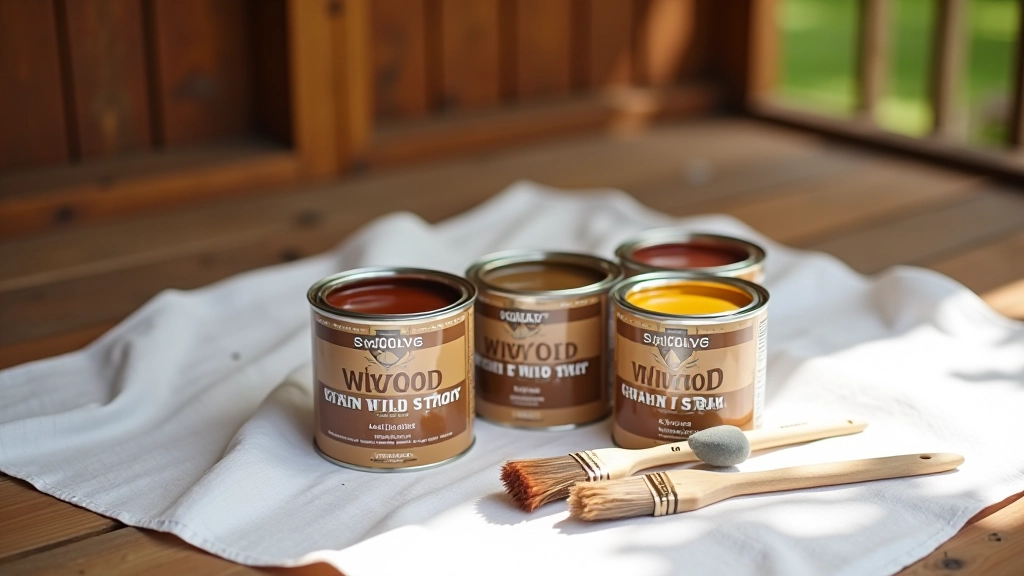
Not all stains are the same. This covers water-based vs oil-based, color matching your cabin style, and application tips for even coverage.
Read Guide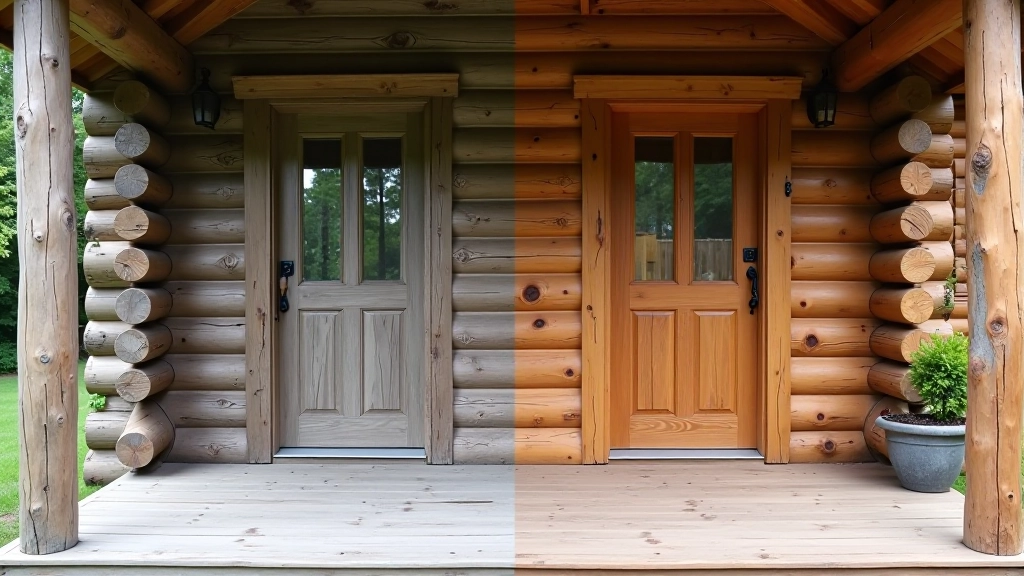
Most cabin porches need more than just staining. We'll walk through identifying damage, when to replace versus repair, and how to fix it right.
Read GuideThis guide is informational and based on general best practices for wood sealant application. Every porch is different—your local climate, wood type, and existing conditions may require adjustments. Always read the manufacturer's instructions for your specific sealant product, as application methods and drying times vary. If you're unsure about your porch's condition or have concerns about structural damage, consult with a local professional before sealing. Results depend on proper preparation, application technique, and maintenance over time.
You're not done after application. The sealant's job is to protect, but you've got to maintain it. Walk your porch every few months and look for areas where water beads up differently—that's where the sealant is wearing. Most sealed porches need a refresh every 2-3 years in climates with heavy rain or snow.
When you reseal, you don't need to strip everything. A light sanding and cleaning, then another coat or two, and you're good for another few years. It's way easier than the initial seal. Keep your porch clean too—leaves trap moisture, and dirt speeds up weathering. Sweep regularly, rinse off debris after storms. This isn't hard work. It's just staying ahead of the weather instead of chasing repairs.
That cabin porch you're protecting? It'll outlast unsealed ones by decades. We've seen the difference. Sealed wood ages gracefully. Unsealed wood fails fast. You've got this.